Preserving soil. Protecting biodiversity.
When you choose a product with the Harmony label, you support wheat farming that is committed to protecting soil health, nurturing biodiversity and empowering farmers.
Harmony Mission
Harmony has long been committed to supporting farming practices that aim to improve soil health, biodiversity and farmers’ livelihoods. Through our label, we also allow consumers to make thoughtful purchasing choices that have a positive impact on farmers and environment. We are on a mission to accelerate the transition toward regenerative agriculture in Europe for wheat, to help building a stronger and more resilient farming industry.
Read more about how Harmony is rooted in regenerative agriculture here.
Understanding Harmony Commitments
Click on each section below to learn more.
THE LOGOS
THE LOGO
When you see the “Certified Harmony” label, it means that the entire wheat supply chain involved in the creation of the product meets Harmony requirements. This includes the farm that produces the Harmony, but also cooperatives, mills, and factories handling and using the wheat, until the product is packed and ready for the consumer.
INGREDIENT TAG
The yellow tag in the label indicates the ingredient that is Harmony certified, in this case, “Wheat flour”. The asterisk directs you to information back of pack that specifies further details about the content of Harmony material in the product. Learn more here
THE CLAIMS
Harmony is committed to improving soil health and biodiversity by proudly supporting wheat farmers using these practices:
Harmony works with wheat farmers to improve soil health and biodiversity through regenerative agriculture practices. Farmers who follow the Harmony farming charter receive a premium payment per ton of wheat produced in line with these practices.)
1. Limit soil disturbance
Certified farmers reduce ploughing and intensive tillage. This helps protect soil structure, keeps carbon stored in the soil and supports microorganisms that are essential for soil fertility.
2. Dedicating space to biodiversity
Certified farmers set aside areas such as hedgerows, flower strips or field margins. These habitats support pollinators, birds and beneficial insects that contribute to healthier ecosystems.
3. Diversifying crops
Rotating different crops over time helps improve soil fertility and break pest and disease cycles. Crop diversity also strengthens farm resilience to climate variability.
4. Reducing the use of chemicals
Certified farmers work to optimise and reduce the use of synthetic pesticides and fertilizers. This helps protect soil life, water quality and surrounding biodiversity, as well as reduce greenhouse gas emission.
What does it mean to be a Harmony-certified farm?
Harmony certification for a farm means that the farm has followed a holistic set of agricultural practices, rooted in regenerative agriculture, that are outlined in the Harmony Charter. These science-based practices have been developed in consultation with experts and stakeholders – including farmers – and aim to protect biodiversity, improve soil health, and promote the long-term resilience of agricultural systems. Practices include crop diversity and rotation, minimizing soil disturbance, and setting aside space for on farm biodiversity, especially pollinators.
If you want to access the details
of the practices of the Harmony Standard, click here
Testimony from Harmony farmers
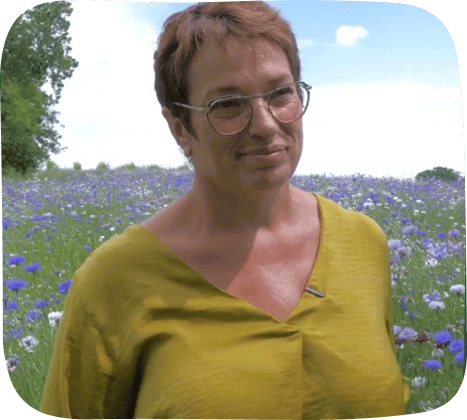
Farmer Harmony, France : Harmony provides real support and monitoring for my farming activity. Applying the charter is beneficial not only for my farm and the environment, but also for the fertility of the soil, a farmer’s most precious asset.
Marie Hélène, Farmer Harmony France
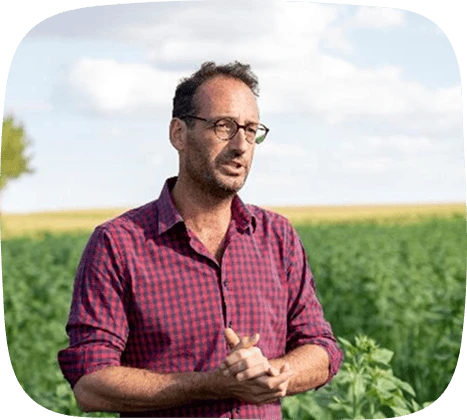
I’m taking concrete steps to reduce my impact, like the 3km of hedges I’ve already planted in 10 years. That’s what being a farmer is all about: working ever harder for biodiversity while feeding the men and women of the planet.
Emeric, Farmer Harmony France

Farmer Harmony, France : Harmony supports farmers who work for and with nature. By implementing good agricultural practices, such as planting wildflower strips, we are also able to connect with people, who can see firsthand our commitment to pollinators.
Annick, Farmer Harmony France

As farmers, we have a large responsibility to feed the world and it is therefore critical we continue enhancing the health of our soil.
Pawel, Harmony Farmer Poland
Brands engaged in Harmony